


- 8 Jun 2026
How to Keep Your Bones Strong After 40: Tips for Your Bone Health from Top Orthopaedic Surgeon in Kolkata
Are Your Bones Getting Weaker After 40?
Many people think weak bones are a part of aging. However, that is not always true. Fortunately, you can keep your bones strong after 40 with the right habits. Good food, regular exercise, and healthy choices can protect your bones for many years. Moreover, strong bones help you stay active and independent. They also lower the risk of fractures and joint problems. Therefore, it is important to care for your bones now. In this guide, Dr. Siddhant Gupta, the best orthopaedic surgeon in Kolkata, shares simple tips to help you build and keep strong bones after 40.
Why Bone Health Matters After 40
Our bones are living tissues. So, they keep changing throughout life. However, after the age of 40, bone loss can happen faster.
As a result, bones may become weaker. They may also break more easily. Therefore, taking care of bone health becomes very important.
Strong bones help you:
- Walk and move easily
- Maintain good posture
- Support your muscles
- Prevent fractures
- Stay active as you age
So, it is wise to start caring for your bones today.
1. Eat More Calcium-Rich Foods
Calcium helps build strong bones. Therefore, you should eat foods that contain calcium every day.
Good sources include:
- Milk
- Yogurt
- Cheese
- Paneer
- Almonds
- Sesame seeds
- Broccoli
- Spinach
Moreover, try to include calcium-rich foods in every meal.
If you do not get enough calcium from food, your doctor may suggest supplements.
2. Get Enough Vitamin D
Vitamin D helps your body absorb calcium. Without it, calcium cannot work properly.
Therefore, vitamin D is just as important as calcium.
You can get vitamin D from:
- Morning sunlight
- Egg yolks
- Fatty fish
- Fortified milk
In addition, your doctor may recommend vitamin D supplements if your levels are low.
3. Exercise Every Day
Exercise keeps bones strong. It also improves balance and muscle strength.
As a result, exercise lowers the risk of falls and fractures.
Good exercises include:
- Walking
- Jogging
- Climbing stairs
- Dancing
- Strength training
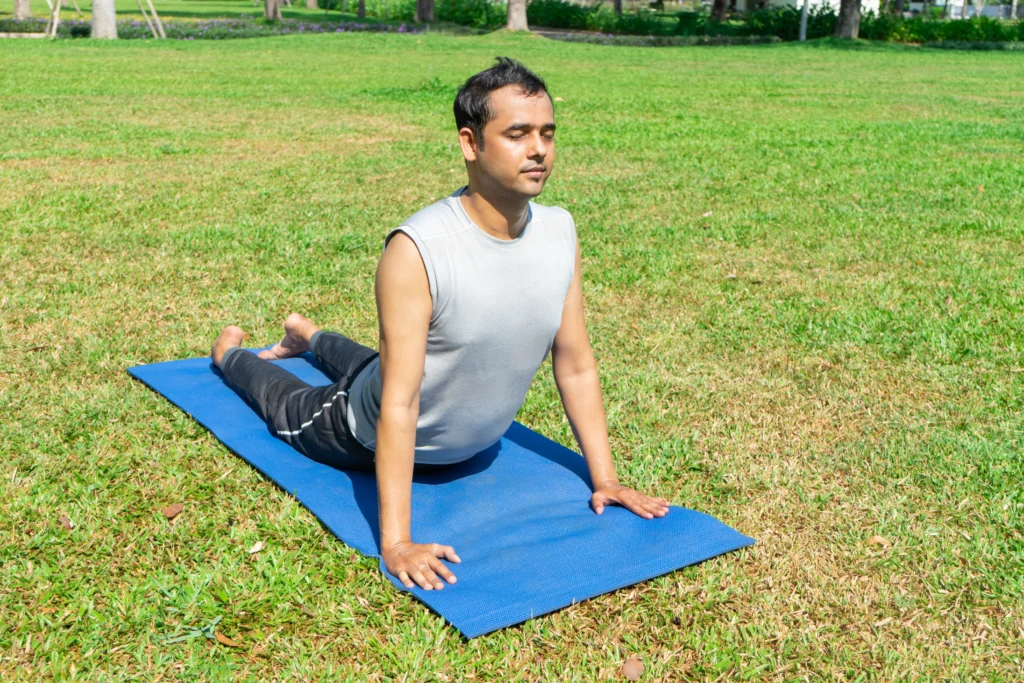
- Yoga
However, start slowly if you are new to exercise.
Aim for at least 30 minutes of activity most days of the week.
4. Maintain a Healthy Weight
Being underweight can weaken bones. On the other hand, being overweight can put extra pressure on joints.
Therefore, try to maintain a healthy weight.
Eat balanced meals. Also, stay active every day.
This simple step can improve both bone and joint health.
5. Eat Enough Protein
Protein helps build muscles and bones.
Without enough protein, your body may struggle to repair tissues.
Good protein sources include:
- Eggs
- Fish
- Chicken
- Lentils
- Beans
- Soy products
- Nuts
Moreover, protein works best when combined with regular exercise.
6. Stop Smoking
- Smoking harms your bones.
- It reduces blood flow to bone tissue. As a result, bones become weaker over time.
- Furthermore, smoking can slow healing after a fracture.
- Therefore, quitting smoking is one of the best things you can do for your bone health.
7. Limit Alcohol Consumption
- Too much alcohol can affect bone strength.
- It may also increase the risk of falls and injuries.
- Therefore, it is best to limit alcohol intake.
- Making this change can help protect your bones in the long run.
8. Stay Active Throughout the Day
Exercise is important. However, sitting for long hours is not good for bones. Therefore, keep moving throughout the day.
Simple ideas include:
- Walking during breaks
- Using stairs
- Stretching every hour
- Doing light household work
These small habits can make a big difference.
9. Prevent Falls at Home
Many fractures happen because of falls. Therefore, fall prevention is important after 40.
You can reduce the risk by:
- Keeping floors clear
- Using good lighting
- Wearing proper footwear
- Installing handrails when needed
As a result, you can protect your bones from serious injuries. If you get pain by falling accidentally, get your x-ray done to check whether there is a fracture. If needed consult an orthopaedic doctor as early as possible to get proper fracture fixation treatment.
10. Get Regular Bone Health Check-Ups
Regular check-ups help detect bone problems early.
Your orthopaedic surgeon may suggest:
- Bone density tests
- Vitamin D tests
- Calcium level checks
Therefore, do not ignore routine health screenings.
Early detection often leads to better treatment outcomes.
Signs Your Bone Health May Need Attention
Watch for these warning signs:
- Frequent fractures
- Back pain
- Loss of height
- Poor posture
- Weakness during daily activities
If you notice these symptoms, consult an orthopaedic surgeon.
Early care can prevent bigger problems later.
When Should You See an Orthopaedic Surgeon?
You should seek medical advice if you:
- Have persistent bone pain
- Experience repeated fractures
- Have a family history of osteoporosis
- Feel weakness while walking
- You notice changes in posture
An orthopaedic surgeon can assess your bone health and suggest the right treatment plan.
Final Thoughts
Keeping your bones strong after 40 is not difficult. However, it requires daily effort.
First of all, eat healthy foods. Eventually, you will get enough calcium and vitamin D. Also, exercise regularly. Most importantly, avoid smoking and limit alcohol.
Furthermore, stay active and schedule regular health check-ups.
These simple habits can help you maintain strong bones for many years. As a result, you can enjoy a healthier, more active life.
Frequently Asked Questions (FAQs)
Can bones become stronger after 40?
Yes. Bones can become stronger with proper nutrition, exercise, and healthy lifestyle habits. Therefore, it is never too late to start caring for your bone health.
Which exercise is best for strong bones?
Walking, strength training, stair climbing, and dancing are excellent choices. Moreover, these activities help improve balance and muscle strength.
How much calcium do adults over 40 need?
Most adults need around 1,000 to 1,200 mg of calcium daily. However, your doctor may recommend a different amount based on your health.
Does sunlight help bone health?
Yes. Sunlight helps the body produce vitamin D. As a result, the body can absorb calcium more effectively.
How often should I get my bone health checked?
Adults over 40 should discuss bone health screenings with their doctor. Regular check-ups help detect problems early and improve treatment outcomes.