


- 5 Nov 2026
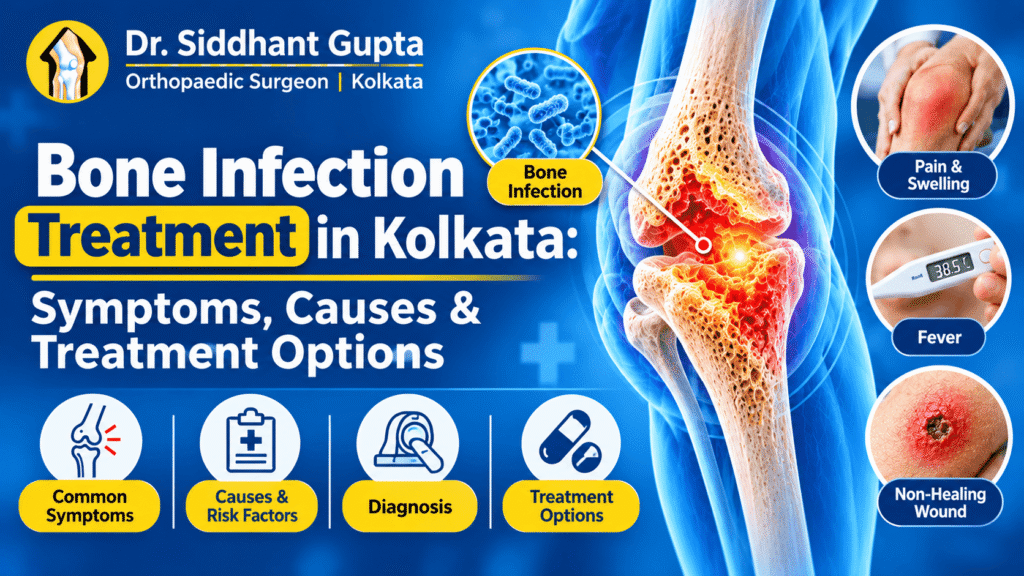
Persistent bone pain, swelling or discomfort around an injured area should never be ignored, especially when accompanied by fever or a wound that does not heal. These symptoms may sometimes indicate a bone infection, medically known as osteomyelitis. It is a condition in which bacteria or, less commonly, fungi infect the bone and surrounding bone marrow.
A bone infection can develop following an injury, fracture, surgical procedure or infection elsewhere in the body. Without timely diagnosis and appropriate treatment, it may cause bone damage and other complications.
Understanding the early bone infection symptoms, possible causes and available treatment options can help patients seek medical attention at the right time. If you are experiencing persistent bone pain or signs of infection, consulting an experienced orthopaedic surgeon in Kolkata can help determine the appropriate course of care.
What Is a Bone Infection (Osteomyelitis)?
Osteomyelitis is an infection that affects the bone and its internal tissues. It most commonly develops when bacteria enter the bloodstream and reach the bone. However, an infection can also spread directly from nearby infected tissues or enter the bone through an open injury or surgical wound.
Staphylococcus aureus is one of the most common bacteria responsible for bone infections.
Osteomyelitis can affect different parts of the body, including the legs, arms, spine, pelvis and feet. It can occur in children as well as adults, although the affected bones and underlying causes may differ.
Early diagnosis is important because untreated infections can damage bone tissue and lead to long-term complications.
What Are the Common Bone Infection Symptoms?
Recognising the early warning signs of osteomyelitis is important for preventing the infection from progressing. Symptoms can vary depending on the affected bone, severity and duration of the infection.
Common bone infection symptoms include:
- Persistent bone pain: Continuous or worsening pain in the affected area, sometimes even while resting.
- Swelling and redness: The skin around the infected bone may become swollen, red and tender.
- Fever and chills: Some patients experience fever, sweating and chills due to infection.
- Warmth around the affected area: The infected region may feel warmer than the surrounding skin.
- Pus or discharge: A wound near the affected bone may produce pus or develop a persistent draining opening.
- Difficulty moving: Pain and swelling may restrict movement of the affected limb or nearby joint.
- Fatigue and weakness: Some patients experience tiredness and a general feeling of being unwell.
Early Signs of Bone Infection
Early symptoms may sometimes be mild or difficult to identify. Persistent pain, tenderness around a previous injury or a wound that does not heal properly can indicate an underlying problem.
In chronic cases, patients may experience recurring discharge from a wound or a sinus tract that develops near the infected bone.
Not everyone experiences fever or obvious swelling. Therefore, persistent unexplained bone pain, particularly after surgery or an injury, should be medically evaluated.
What Causes Bone Infections?
Bone infections develop when harmful microorganisms enter bone tissue. There are several ways this can happen.
1. Infection Through the Bloodstream
Bacteria from an existing infection elsewhere in the body can travel through the bloodstream and reach the bones. This is known as haematogenous osteomyelitis.
2. Open Fractures and Physical Injuries
An open fracture exposes the bone to the external environment, increasing the possibility of bacterial contamination. Deep wounds and puncture injuries can also introduce microorganisms directly into bone tissue.
3. Infection After Orthopaedic Surgery
Bone infections may occasionally develop following fracture fixation, joint replacement or other orthopaedic procedures, particularly when bacteria enter the surgical site.
4. Diabetes and Poor Circulation
People with diabetes, especially those with foot ulcers or reduced sensation, may develop wounds that become infected and eventually spread to the underlying bone.
5. Weakened Immune System
Patients receiving immunosuppressive treatment or living with conditions that weaken their immune systems may have an increased risk of developing infections.
What Are the Different Types of Bone Infections?
Osteomyelitis is generally classified according to how quickly the infection develops and how long it persists.
Acute Osteomyelitis
This type develops relatively quickly and may cause noticeable pain, swelling and fever. Early medical intervention is important to prevent the infection from damaging the bone.
Chronic Osteomyelitis
This develops when an infection persists or returns after initial treatment. It may involve damaged bone tissue, recurring discharge and persistent wounds. Some patients require surgical treatment alongside antibiotics.
Vertebral Osteomyelitis
This infection affects the bones of the spine. Persistent back pain and tenderness are common symptoms, and some cases can lead to serious complications involving nearby nerves.
How Is a Bone Infection Diagnosed?
Accurate diagnosis is essential for choosing the right treatment. An orthopaedic specialist generally evaluates the patient’s symptoms, medical history, previous injuries and surgical procedures before recommending investigations.
Physical Examination
The affected area is examined for tenderness, swelling, warmth, redness, wounds and restricted movement.
Blood Tests
Tests such as complete blood count (CBC), erythrocyte sedimentation rate (ESR) and C-reactive protein (CRP) help identify signs of inflammation or infection.
X-rays and MRI Scans
X-rays help assess changes in bone structure, while MRI scans can identify infection and associated soft-tissue involvement, including changes that may not be visible on early X-rays.
Bone Biopsy and Culture
In selected cases, a bone sample is collected and examined to identify the microorganism responsible for the infection. Culture and antibiotic sensitivity testing help doctors select appropriate medication.
What Are the Treatment Options for Bone Infection?
The treatment of osteomyelitis depends on the type of infection, the affected bone, its severity and the patient’s overall health. The main objectives are to eliminate the infection, preserve healthy bone tissue and prevent recurrence.
1. Antibiotic Treatment
Antibiotics are commonly used to treat bacterial bone infections. Depending on the severity of the condition, treatment may initially involve intravenous antibiotics followed by oral medication.
The choice of antibiotic is guided by the suspected or identified microorganism, culture results and antibiotic sensitivity reports.
Patients should complete the prescribed treatment and attend follow-up appointments. Taking antibiotics without medical supervision or stopping them prematurely can make infection management more difficult.
2. Surgical Treatment for Bone Infection
Surgery may be recommended when antibiotics alone are insufficient, particularly in chronic or advanced infections.
Common surgical procedures include:
- Surgical Debridement: Removal of infected and dead bone tissue to help control the infection.
- Abscess Drainage: Removing accumulated pus from an infected area.
- Bone Reconstruction: Reconstructing bone defects in selected cases where infection has caused significant damage.
- Soft Tissue Reconstruction: Repairing damaged surrounding tissues when necessary to support wound healing.
The appropriate procedure depends on the extent of bone damage and the location of the infection.
3. Wound Care and Follow-Up
Proper wound care is important, especially for patients with diabetes, open injuries or post-surgical infections.
Regular monitoring helps doctors assess healing, identify persistent infection and modify the treatment plan when necessary.
How Long Does Bone Infection Treatment Take?
Recovery time varies from patient to patient. Factors such as the type of microorganism, infection severity, extent of bone damage and underlying medical conditions influence the treatment duration.
Some patients improve with several weeks of antibiotic treatment, while chronic or complicated infections may require surgery and a longer recovery period.
Regular clinical examinations and appropriate investigations help determine whether the infection is responding to treatment.
When Should You Consult an Orthopaedic Surgeon?
You should seek medical attention if you experience persistent bone pain, swelling, redness, fever or discharge from a wound near a bone.
Prompt evaluation is particularly important if you have diabetes, recently undergone orthopaedic surgery, sustained an open fracture or previously received treatment for osteomyelitis.
A high fever with chills, rapidly worsening pain, spreading redness or feeling severely unwell requires urgent medical assessment.
Early consultation can help identify the underlying problem and prevent complications associated with untreated bone infections.
Frequently Asked Questions (FAQs)
1. Can a Bone Infection Be Cured Completely?
Yes, many bone infections can be successfully treated with appropriate antibiotics and, when necessary, surgery. However, the outcome depends on the infection type, severity and how early treatment begins.
2. What Is the Most Common Cause of Bone Infection?
Bacterial infections are the most common cause of osteomyelitis. Staphylococcus aureus is a frequently identified microorganism. Infections can reach bones through the bloodstream, nearby infected tissues or open injuries.
3. Does Every Bone Infection Require Surgery?
No. Some bone infections can be treated with antibiotics alone. Surgery may be necessary when there is an abscess, dead bone tissue, persistent infection or significant bone damage.
4. Can Diabetes Increase the Risk of Bone Infection?
Yes. Diabetes can increase the risk, particularly when patients develop foot ulcers, poor circulation or reduced sensation. An untreated foot wound can sometimes allow infection to spread into the underlying bone.
5. Is Chronic Osteomyelitis Dangerous?
Chronic osteomyelitis can cause recurring infections, persistent wounds and bone damage. Early assessment and appropriate treatment are important to reduce the risk of complications.
Conclusion
Bone infections are serious orthopaedic conditions that require timely diagnosis and appropriate medical care. Persistent bone pain, swelling, fever and recurring wound discharge should never be ignored, as these may indicate underlying osteomyelitis.
Treatment may involve antibiotics, surgical debridement, abscess drainage and regular follow-up, depending on the patient’s condition. Seeking medical attention early can help reduce the risk of permanent bone damage and improve the chances of recovery.
If you are experiencing symptoms of osteomyelitis or looking for Bone Infection Treatment in Kolkata, consult Dr. Siddhant Gupta, an orthopaedic surgeon in Kolkata, for an assessment of your symptoms and guidance regarding appropriate treatment options. Early evaluation can make an important difference in managing bone infections and pro