


- 17 Aug 2026
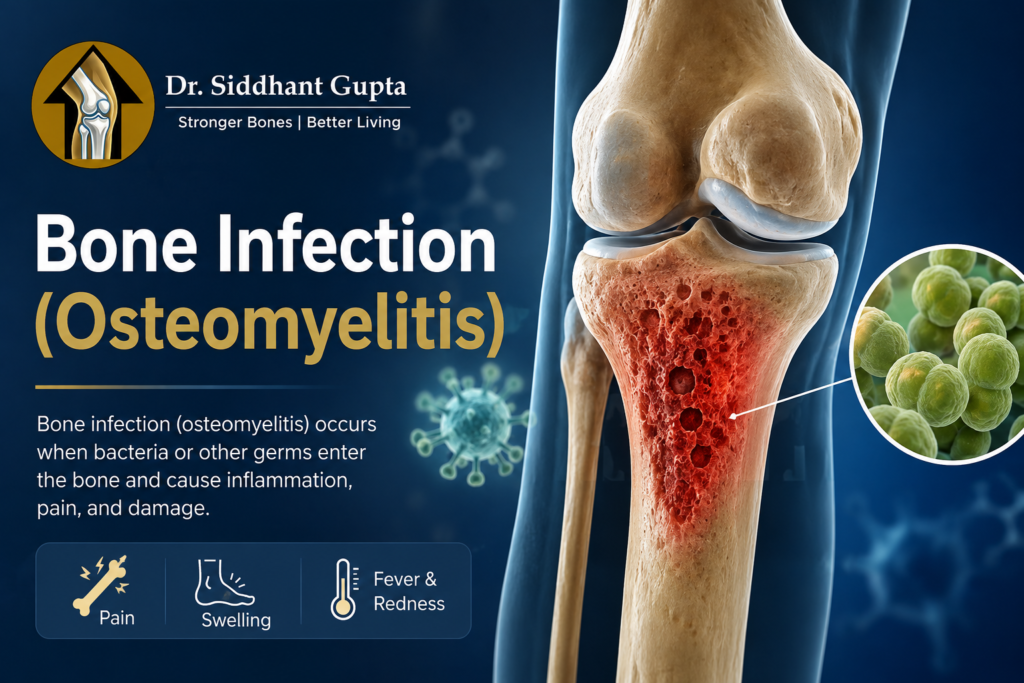
A bone infection, medically known as osteomyelitis, is an infection that develops within a bone and can affect people of different ages. It may occur when bacteria or other microorganisms reach the bone through the bloodstream, spread from a nearby infection, or enter directly through an injury or surgical wound. Without timely treatment, osteomyelitis can damage bone tissue and may become a persistent or recurrent problem.
For patients, one of the biggest concerns is often: “Is my persistent bone pain just an injury, or could it be an infection?” Recognising the warning signs and getting an appropriate bone infection diagnosis can help prevent complications.
If you have persistent pain, swelling, warmth, fever, discharge from a wound, or symptoms following an injury or surgery, consulting an experienced orthopaedic specialist in Kolkata can help determine the underlying cause.
What Is a Bone Infection (Osteomyelitis)?
Osteomyelitis is an infection involving the bone. It can develop suddenly as an acute infection or persist over a longer period and become chronic.
The infection may reach the bone through the bloodstream from another part of the body, spread from nearby infected tissue, or enter the bone directly following trauma, an open fracture, or surgery.
Early treatment is important because prolonged infection can result in bone damage, dead bone tissue and recurrent infection.
What Causes Osteomyelitis?
Bacteria are a common cause of osteomyelitis, although other microorganisms can occasionally be responsible. The infection can reach bone through several routes.
Common causes and risk factors include:
- An open fracture or severe injury
- Infection following orthopaedic surgery
- Deep wounds or ulcers
- Infection spreading from nearby soft tissues
- Bloodstream infections spreading to the bone
- Certain foot infections, particularly in people with diabetes
- Previous bone or joint surgery
- Reduced immune function or other medical conditions that increase infection risk
A previous injury or surgical procedure does not automatically mean a person has osteomyelitis. A proper clinical assessment is required to determine the cause of symptoms.
What Are the Symptoms of a Bone Infection?
The bone infection symptoms can vary depending on the location, severity and duration of the infection.
Common osteomyelitis symptoms may include:
- Persistent or worsening pain around the affected bone
- Swelling or tenderness
- Redness or warmth over the affected area
- Fever or chills
- Difficulty moving or using the affected limb
- Pus or discharge from a wound
- Delayed healing of a wound
- General weakness or feeling unwell
In some cases, particularly chronic infections, symptoms may be less obvious and can come and go. A draining wound or recurring pain at the same location should not be ignored.
How Is a Bone Infection Diagnosed?
A bone infection diagnosis usually involves combining the patient’s medical history, physical examination, laboratory tests and imaging findings.
Your doctor may recommend:
Blood Tests
Tests such as the C-reactive protein (CRP) and erythrocyte sedimentation rate (ESR) can help identify inflammation. Blood cultures may also be used when a bloodstream infection is suspected.
X-Ray or Other Imaging
X-rays may help identify changes in the bone, although early infection may not always be visible. Depending on the situation, an MRI or other imaging study may provide more detailed information about the affected bone and surrounding tissues.
Tissue or Bone Sampling
In selected cases, doctors may obtain a tissue or bone sample for microbiological testing. Identifying the causative organism can help guide appropriate antimicrobial treatment. Current microbiology guidance emphasises obtaining appropriate tissue or bone specimens rather than relying on superficial wound swabs when establishing the cause of osteomyelitis.
The exact investigations depend on the patient’s symptoms, medical history and suspected location of infection.
What Is the Treatment for Osteomyelitis?
Osteomyelitis treatment depends on several factors, including the type and duration of infection, the affected bone, the organism causing the infection and whether dead or damaged tissue is present.
Treatment may involve:
Antibiotic Treatment
Antibiotics are an important part of treating many bacterial bone infections. The choice of medicine and duration depend on the suspected or identified organism and the individual patient’s condition. Antibiotics may be administered intravenously or orally depending on the clinical situation.
Wound and Infection Management
If the infection is associated with a wound, ulcer or surrounding soft-tissue infection, appropriate wound care and management of the underlying problem may be necessary.
Osteomyelitis Surgery
Not every patient with osteomyelitis requires surgery. However, osteomyelitis surgery may be considered when there is infected or dead bone, an abscess requiring drainage, persistent infection, or other complications that cannot be adequately managed with medication alone. Surgical treatment may involve draining infection and removing dead or infected tissue or bone.
The decision between medication, surgery, or a combination of both should be made after evaluating the individual case.
Can Osteomyelitis Be Prevented?
Not every bone infection can be prevented, but several measures can reduce the risk.
- Clean and properly care for wounds and cuts.
- Seek medical attention for deep or contaminated wounds.
- Follow post-operative wound-care instructions carefully.
- Do not ignore persistent discharge, swelling or redness around a surgical wound.
- Manage conditions such as diabetes as advised by your healthcare team.
- Take prescribed antibiotics exactly as directed and do not self-medicate.
- Seek medical advice if an injury or wound is not healing as expected.
Prompt management of wounds and infections can help reduce the risk of an infection spreading to deeper tissues or bone.
When Should You See an Orthopaedic Specialist?
Persistent bone or limb pain should not always be assumed to be a simple injury. Consider seeking medical evaluation if you develop ongoing pain with swelling, warmth, redness, fever, wound discharge, difficulty using a limb, or symptoms that persist after an injury or surgery.
People with persistent back pain accompanied by fever or neurological symptoms may also require evaluation for spinal infection, where MRI and microbiological assessment can play an important role in diagnosis.
For patients looking for bone infection treatment in Kolkata, an orthopaedic evaluation can help determine whether the symptoms are related to osteomyelitis or another bone, joint or soft-tissue condition. Early assessment is particularly important when infection is suspected because untreated orthopaedic infections can become chronic and cause lasting damage.
Takeaway
A bone infection such as osteomyelitis should not be ignored, particularly when pain is persistent or accompanied by swelling, fever, redness or wound discharge. Early diagnosis and appropriate treatment can help control the infection and reduce the risk of long-term bone damage. Treatment may include antibiotics, wound management and, in selected cases, surgery.
If you are experiencing symptoms that may indicate a bone infection, consult a qualified orthopaedic specialist in Kolkata for an appropriate evaluation rather than relying on self-treatment.