

- 14 Jul 2026
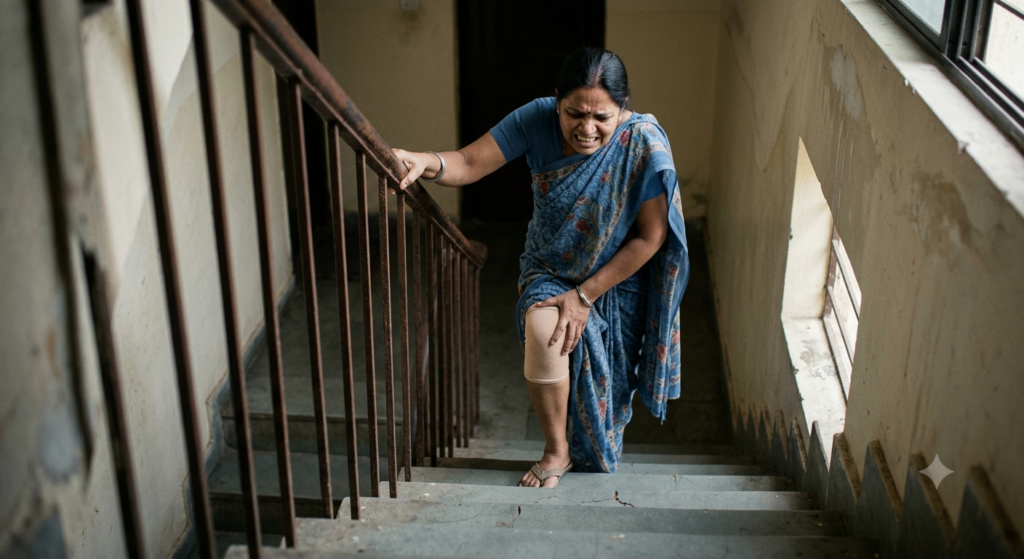
Does climbing a flight of stairs leave you with sharp or aching knee pain? You’re not alone. Knee pain while climbing stairs is a common complaint among people of all ages, from young athletes to older adults. Since climbing stairs places greater pressure on the knee joints than walking on flat ground, even minor joint problems can become more noticeable during this activity.
While occasional discomfort may not always be a cause for concern, persistent or worsening pain should never be ignored. Identifying the underlying cause early can help prevent further damage and ensure timely treatment. If you’re looking for effective knee pain treatment in Kolkata, consulting an experienced orthopedic specialist is the first step toward lasting relief.
Why Does Knee Pain Increase While Climbing Stairs?
When you climb stairs, your knees bear nearly three to four times your body weight. The muscles, ligaments, cartilage, and kneecap work together to support this increased load. If any of these structures are injured or affected by wear and tear, pain can occur during activities such as climbing stairs, squatting, or standing up from a chair.
Common Causes of Knee Pain While Climbing Stairs
1. Patellofemoral Pain Syndrome (Runner’s Knee)
Patellofemoral Pain Syndrome is one of the most common reasons for pain while climbing stairs. It occurs when the kneecap (patella) does not move smoothly over the thigh bone.
Symptoms include:
- Pain around or behind the kneecap
- Pain while climbing or descending stairs
- Discomfort after prolonged sitting
- Clicking or grinding sensation in the knee
This condition is common among runners, athletes, and individuals with muscle imbalance around the knee.
2. Osteoarthritis
Osteoarthritis is a degenerative joint disease that causes the cartilage cushioning the knee joint to wear away over time. As the cartilage deteriorates, the bones rub against each other, resulting in pain, stiffness, and swelling.
Common symptoms include:
- Morning stiffness
- Pain during movement
- Swelling around the joint
- Difficulty climbing stairs
It is one of the leading causes of chronic knee pain in older adults.
3. Ligament Injuries
The ligaments stabilize your knee during movement. Injuries to the ACL, PCL, MCL, or LCL may occur due to sports injuries, falls, or sudden twisting movements.
Symptoms may include:
- Sudden pain
- Swelling
- Knee instability
- Difficulty bearing weight
Prompt medical evaluation is important to prevent long-term instability.
4. Meniscus Tear
The meniscus acts as a shock absorber between the thigh bone and shin bone. A tear can result from sudden twisting injuries or age-related degeneration.
Signs include:
- Sharp knee pain
- Swelling
- Locking or catching sensation
- Difficulty climbing stairs
5. Tendinitis
Inflammation of the tendons around the knee, especially the patellar tendon, may develop due to repetitive activities such as running or jumping.
Symptoms include:
- Pain below the kneecap
- Tenderness
- Pain during physical activity
6. Bursitis
Small fluid-filled sacs called bursae reduce friction around the knee joint. When they become inflamed, they can cause pain, swelling, and tenderness.
Risk Factors for Knee Pain
Several factors increase the likelihood of developing knee pain:
- Increasing age
- Obesity
- Previous knee injuries
- Weak thigh or hip muscles
- Poor posture
- Repetitive sports activities
- Arthritis
- Sedentary lifestyle
Maintaining a healthy weight and staying physically active can significantly reduce your risk.
How Is Knee Pain Diagnosed?
An orthopedic specialist will begin with a detailed medical history and physical examination. Depending on your symptoms, additional tests may include:
- X-rays to evaluate arthritis and bone alignment
- MRI scans to assess ligaments, cartilage, and meniscus injuries
- Ultrasound for soft tissue conditions
- Blood tests if inflammatory arthritis is suspected
Accurate diagnosis is essential for choosing the most effective treatment.
Treatment Options for Knee Pain
The right treatment depends on the underlying cause, severity of symptoms, age, and activity level.
Conservative Treatment
Many patients improve without surgery through conservative management.
Rest and Activity Modification
Avoid activities that worsen your symptoms while remaining gently active to prevent stiffness.
Ice Therapy
Applying an ice pack for 15–20 minutes several times a day can reduce pain and swelling.
Physiotherapy
A structured rehabilitation program strengthens the muscles supporting the knee, improves flexibility, and restores proper joint mechanics.
Medications
Pain relievers and anti-inflammatory medications may be recommended to reduce discomfort and inflammation under medical supervision.
Weight Management
Even modest weight loss can significantly reduce stress on the knee joints and improve mobility.
Advanced Non-Surgical Treatments
Depending on the diagnosis, your orthopedic specialist may recommend:
- Knee braces
- Joint injections
- Platelet-rich plasma (PRP) therapy in selected cases
- Hyaluronic acid injections for certain patients with osteoarthritis
These treatments can help reduce pain and improve function in appropriate candidates.
Surgical Treatment
If conservative treatment fails or the knee has significant structural damage, surgery may be necessary.
Common surgical procedures include:
- Arthroscopic knee surgery
- Ligament reconstruction
- Meniscus repair
- Partial knee replacement
- Total knee replacement
Advances in orthopedic surgery now allow many patients to recover faster with improved outcomes.
Tips to Prevent Knee Pain
You can lower your risk of knee problems by following these simple habits:
- Exercise regularly to strengthen leg muscles
- Maintain a healthy body weight
- Wear supportive footwear
- Warm up before physical activity
- Stretch after exercise
- Avoid sudden increases in workout intensity
- Practice proper climbing and lifting techniques
These preventive measures help protect your joints and maintain long-term mobility.
When Should You See an Orthopedic Specialist?
Seek medical attention if you experience:
- Knee pain lasting more than a few days
- Swelling that does not improve
- Difficulty climbing stairs or walking
- Knee locking or giving way
- Severe pain after an injury
- Redness, warmth, or fever associated with knee pain
- Reduced range of motion
Early treatment often prevents minor conditions from progressing into more serious joint problems.
Expert Knee Pain Treatment in Kolkata
Living with persistent knee pain can affect every aspect of your daily routine, from climbing stairs to walking, exercising, or even getting a good night’s sleep. The good news is that modern orthopedic care offers highly effective solutions for both acute injuries and chronic joint conditions.
If you’re searching for reliable knee pain treatment in Kolkata, choosing an experienced orthopedic specialist ensures an accurate diagnosis and a personalized treatment plan based on your specific condition. Whether you require physiotherapy, medication, minimally invasive arthroscopic surgery, or knee replacement, receiving timely care can help restore mobility and improve your quality of life.
Patients seeking the best orthopaedic care in Kolkata benefit from a comprehensive approach that focuses not only on relieving pain but also on preserving joint function and preventing future complications.
Why Choose Dr. Siddhant Gupta?
Dr. Siddhant Gupta is dedicated to providing compassionate, evidence-based orthopedic care tailored to each patient’s needs. Using advanced diagnostic techniques and the latest treatment options, he helps patients recover from knee injuries, arthritis, sports-related conditions, and other orthopedic disorders with confidence.
If you’re looking for the best orthopaedic surgeon in Kolkata, Dr. Siddhant Gupta offers personalized treatment plans designed to relieve pain, improve mobility, and help you return to an active, healthy lifestyle.
Final Thoughts
Knee pain while climbing stairs is often an early warning sign that something isn’t right with your knee joint. Conditions such as arthritis, ligament injuries, meniscus tears, and patellofemoral pain syndrome can all contribute to this common problem. Ignoring persistent symptoms may lead to worsening pain and reduced mobility over time.
The sooner the underlying cause is diagnosed, the better the chances of successful treatment. If you’re experiencing ongoing knee discomfort, don’t delay seeking expert care. For comprehensive knee pain treatment in Kolkata, trusted best orthopaedic care in Kolkata, and guidance from the best orthopaedic surgeon in Kolkata, schedule a consultation with Dr. Siddhant Gupta and take the first step toward healthier, pain-free knees.